Essential Gear Systems for Outdoor Adventures: A Comprehensive Guide
2/5/20267 min read
Introduction to Outdoor Gear Systems
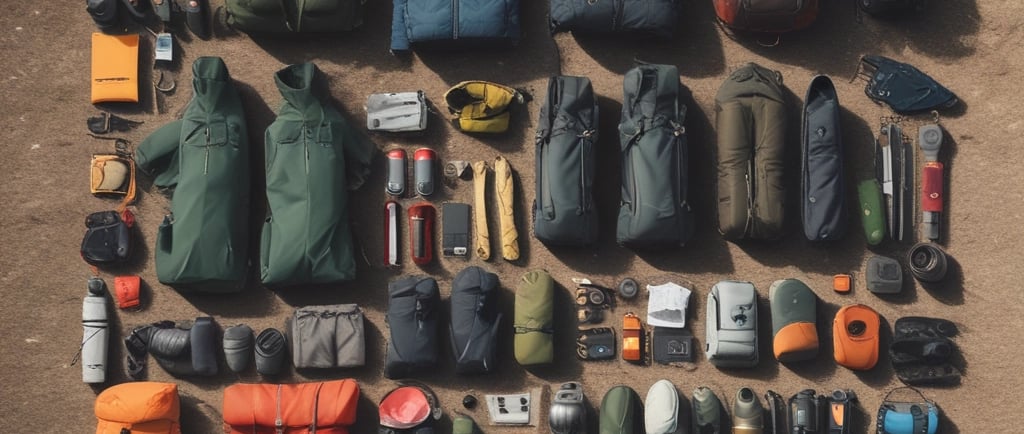
In the realm of outdoor adventures, understanding the concept of gear systems is paramount. Outdoor gear systems refer to the collection of equipment and resources that individuals utilize to ensure their safety, comfort, and enjoyment while exploring nature. These systems encompass a variety of essential elements, including clothing, shelter, food, water, communication tools, navigation devices, security features, and energy sources. Each of these components plays a critical role in the overall outdoor experience, contributing significantly to the adventurer's preparedness and performance.
Clothing is arguably one of the most vital elements in an outdoor gear system. It protects against environmental hazards and helps to regulate body temperature. Similarly, a sturdy shelter provides necessary refuge from the elements, while reliable food and water sources are critical for sustenance and hydration during extended excursions. Communication and navigation tools, such as maps and GPS devices, are indispensable for ensuring that adventurers can maintain their course and stay connected, especially in remote areas.
Moreover, assessing one’s style of outdoor activity is crucial when determining the appropriate gear system. Different activities, such as hiking, camping, or climbing, require various gear components tailored to specific needs and conditions. An effective gear system not only enhances safety but also elevates the overall experience, enabling individuals to engage more fully with their outdoor environment. Careful consideration of one's preferred activities and the corresponding gear requirements will ensure that adventurers embark on their journeys well-equipped and confident.
Clothing: Layering for Comfort and Safety
When engaging in outdoor activities such as hiking or backpacking, the proper clothing can significantly enhance comfort and safety. It is imperative to understand the importance of layering garments to adapt to varying weather conditions. The layering system typically consists of three primary layers: the base layer, the mid-layer, and the outer layer.
The base layer is the foundation of your clothing system, designed to wick moisture away from the skin. Fabrics such as merino wool or synthetic materials are excellent choices, as they offer breathability and quick-drying capabilities. This layer is vital for maintaining body temperature during intense activities and in cooler climates, ensuring you remain dry and comfortable.
The mid-layer provides insulation, trapping heat to keep the body warm. Options may include fleece jackets, insulated vests, or lightweight down jackets. The selection of mid-layers should consider the expected temperature and the intensity of the planned activity. It is essential to balance warmth with the ability to regulate body temperature through ventilation.
Finally, the outer layer serves as a protective barrier against wind, rain, and snow. Fabrics with waterproof and breathable qualities, such as Gore-Tex or similar materials, are advisable. This layer is crucial in inclement weather to maintain comfort and safety while enjoying outdoor adventures.
Additionally, it is beneficial to consider clothing for canine companions. Just as humans require appropriate gear, dogs involved in outdoor activities should wear protective clothing that accounts for various weather conditions. Insulated jackets, booties for rough terrains, and moisture-wicking materials can ensure your pet’s comfort during extended outdoor excursions.
By carefully selecting layered clothing systems and incorporating essentials for pets, enthusiasts can enhance their outdoor experiences while prioritizing safety and comfort in all conditions.
Shelter: Choosing the Right Base Camp
When preparing for an outdoor adventure, selecting the right shelter is paramount to ensuring comfort and safety during your trip. The choice of shelter will depend on various factors, including the duration of the trip, prevailing weather conditions, and the number of individuals in your group. A well-chosen base camp not only protects from the elements but also enhances the overall experience of your outdoor expedition.
Tents are the most common shelters used in outdoor activities, as they provide a reliable form of protection against rain, wind, and cold temperatures. For short-term trips, lightweight backpacking tents are ideal due to their convenience and ease of setup. In contrast, for longer excursions, more robust options such as cabin tents or canvas tents might be preferable, offering additional space and comfort. Be sure to assess the seasonality of your tent choice as well, as three-season tents may not provide sufficient warmth during extreme winters.
In addition to tents, hammocks have gained popularity among adventurers and can be a great alternative when trees are available. They offer a lightweight solution with the added benefit of excellent ventilation. However, when opting for hammocks, one must consider the potential for inclement weather. Utilizing a rainfly or tarp above the hammock will safeguard against unexpected rain.
For group settings, choose larger shelters or multiple tents to accommodate all members comfortably. Also, it is prudent to consider canine-friendly shelters for those who wish to bring their dogs along. Selecting a shelter that allows enough room for both humans and pets will ensure everyone enjoys a good night’s sleep. When camping with dogs, look for easy-to-clean materials and protection from pests to create a secure environment for your furry companion.
By evaluating these key factors, you can choose an appropriate shelter that meets your outdoor adventure needs, ensuring a successful and enjoyable experience in the wild.
Nourishment in the Wilderness: Food Systems
When planning outdoor adventures, one crucial aspect is ensuring a reliable food system that meets nutritional needs while also accommodating the realities of wilderness conditions. Effective meal preparation begins with understanding the duration of the trip, the number of participants, and the physical activities involved. This information guides the selection and quantity of food required. It’s essential to create balanced meals comprising carbohydrates, proteins, and fats to sustain energy levels during rigorous activities.
Food storage is another critical component of outdoor nourishment. Utilizing appropriate containers can help preserve food quality and prevent spoilage. For instance, vacuum-sealed bags and durable coolers are excellent for keeping perishables fresh. Additionally, bear-proof canisters are vital when venturing into wildlife-rich areas to avoid attracting unwanted attention from animals. Incorporating lightweight, high-calorie options such as nuts, energy bars, or jerky can be beneficial, especially on longer expeditions.
Meal preparation techniques vary widely based on personal preference and the equipment available. Lightweight cooking gear, such as compact stoves and pots, can streamline the process of preparing warm meals. For longer journeys, dehydrated food offers convenience and reduces pack weight. It is important to strike a balance between fresh and dehydrated foods, considering factors like taste, ease of cooking, and nutritional value. Furthermore, when planning for outdoor excursions, it’s essential to consider the dietary needs of dogs accompanying the group. Dog owners should bring along appropriate kibble, freeze-dried meals, or wholesome snacks, ensuring their pets maintain energy and health.
Ultimately, a well-thought-out nourishment strategy is essential for a successful outdoor adventure, enhancing the overall experience in the wilderness.
Water: Hydration Strategies and Systems
When embarking on outdoor adventures, ensuring a reliable water supply is paramount for safety and performance. There are various methods to source and purify water during your excursions. One effective strategy involves using water filtration systems, which can vary from simple hollow fiber filters to gravity-fed systems. These allow adventurers to draw from lakes, rivers, or streams, effectively removing harmful bacteria and protozoa, enabling you to drink fresh water on the go.
Purification tablets also serve as an essential tool in your hydration strategy. These tablets, which can contain chlorine or iodine, treat water to eliminate pathogens. They are lightweight and compact, making them ideal for backpacking trips where space is limited. However, it is important to follow the instructions closely, as the required wait time before the water is safe to drink can vary based on the specific product used.
In addition to filtration and purification, knowing how to locate water sources in nature is crucial. Look for streams or rivers, which are usually reliable. Additionally, dew collection might be feasible in certain environments, where a cloth or large container can be used to soak up moisture in the early morning. This method, while slow, can supplement your hydration needs.
For pet owners venturing into the wild with their canine companions, keeping your dog hydrated is just as critical. Portable water bowls are convenient and easy to pack, allowing you to quickly provide your pet with fresh water. Canine water bottles are specifically designed for dogs and often feature a built-in bowl, making it easier to ensure your pet stays hydrated while on the trail. Always remember to encourage your dog to drink regularly, especially in warm weather or during strenuous activities.
Communication and Navigation: Staying Connected and On Course
When embarking on outdoor adventures, effective communication and navigation are paramount for ensuring a safe and enjoyable experience. Essential gear for these functions includes GPS devices, traditional maps, and compasses, each serving distinct purposes that can cater to various preferences and situations.
GPS devices are invaluable tools that allow adventurers to pinpoint their exact location in real-time. Their advanced capabilities, such as route planning and providing topographic information, make them a popular choice for hikers, especially those navigating unfamiliar terrain. While GPS technology is beneficial, it is important to consider battery life and potential malfunctions. Therefore, carrying a traditional paper map and a compass is advisable as a reliable backup. Combining modern and traditional navigation tools enhances the chance of a successful outing.
Maps, particularly topographic ones, provide critical information about elevation changes, routes, and natural obstacles. Understanding how to read these maps is an essential skill for outdoor enthusiasts. A compass complements this by helping users orient themselves and determine direction, ensuring they can maintain their intended course.
Furthermore, emergency communication tools are crucial for outdoor activities. Satellite phones and personal locator beacons (PLBs) can be lifesavers in emergency situations, allowing adventurers to communicate with rescue services when conventional cell signals may not be available. Selecting the right communication devices depends on the location and duration of your adventure.
For those hiking with a dog, it is particularly important to ensure that communication and navigation gear meets the unique needs of the journey. Consider the terrain and potential hazards that may affect both you and your canine companion. Carrying sufficient supplies, such as extra food and water for your dog, ensures that both parties remain safe while navigating the wilderness.
Security and Energy: Keeping Yourself and Your Gear Safe
When engaging in outdoor adventures, the safety of both personal belongings and oneself is of utmost importance. Security measures such as lock systems and personal alarms can greatly enhance safety during excursions in remote areas. Portable locks for backpacks, tents, and bicycles are essential. These can act as a deterrent against theft, ensuring that valuable items remain secured when you are away from your gear.
Incorporating personal alarms can further augment safety measures. These small, lightweight devices emit a loud sound when activated, drawing attention and potentially scaring off threats. They can be easily attached to bags or clothing, providing an added layer of protection while hiking, camping, or exploring unfamiliar trails.
Equally crucial is the consideration of energy solutions while enjoying outdoor adventures. Portable chargers and solar panels are invaluable tools for ensuring that electronic devices remain functional. A reliable portable charger can keep smartphones, GPS devices, and cameras powered throughout a trip, ensuring communication and navigation capabilities. Additionally, solar panels offer an eco-friendly alternative to conventional energy sources. Lightweight and efficient, they allow for charging during the day while minimizing dependence on disposable batteries.
For pet owners, ensuring the safety of canine companions is essential as well. Utilizing lockable harnesses and pet trackers provides peace of mind. These trackers can offer real-time location data, ensuring pets remain safe and are easily retrievable if they wander off. Investing in pet-specific gear that includes secure connections for leashes and collars enhances overall safety. Through careful planning and the implementation of security measures, outdoor adventures can be both enjoyable and safe.